Howdy. Today, I thought I’d switch things up a little and share a gallery of my recent photos taken around Birmingham, UK. Rather than my usual blatherings, I thought I’d take a more process driven approach and talk about why I love using vintage camera lenses from days of yore. You know, the olden days. Prehistoric.
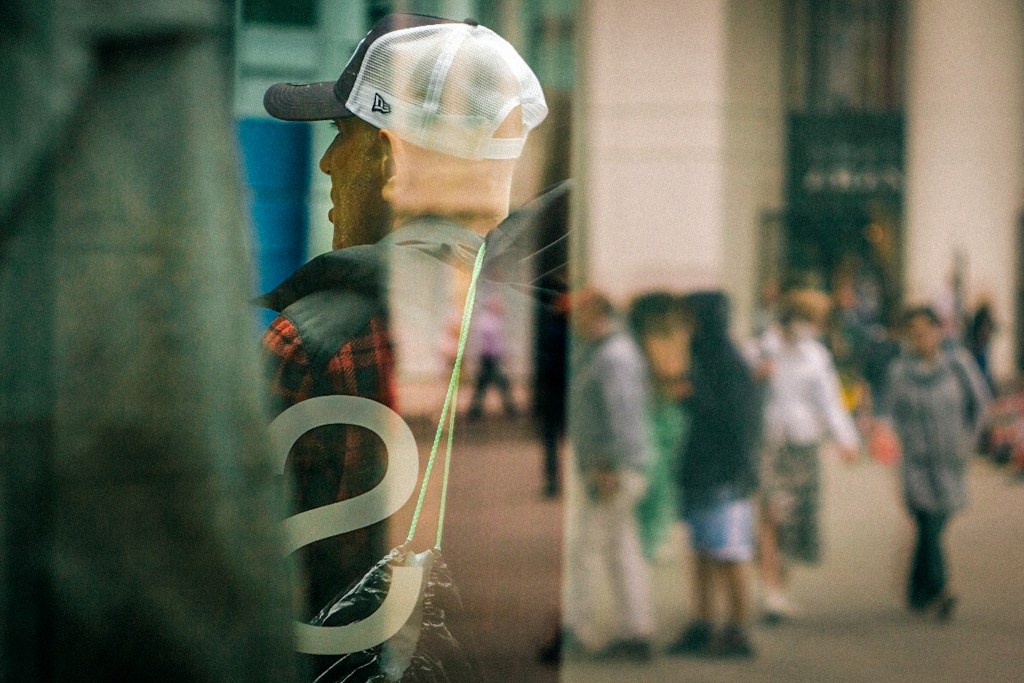
Shortly after I was delighted to receive my Fuji XT20 for my 50th birthday (five years ago, whoa, where did that go?), I discovered that my new camera had the ability to adapt and use vintage glass. Totes Bonus!
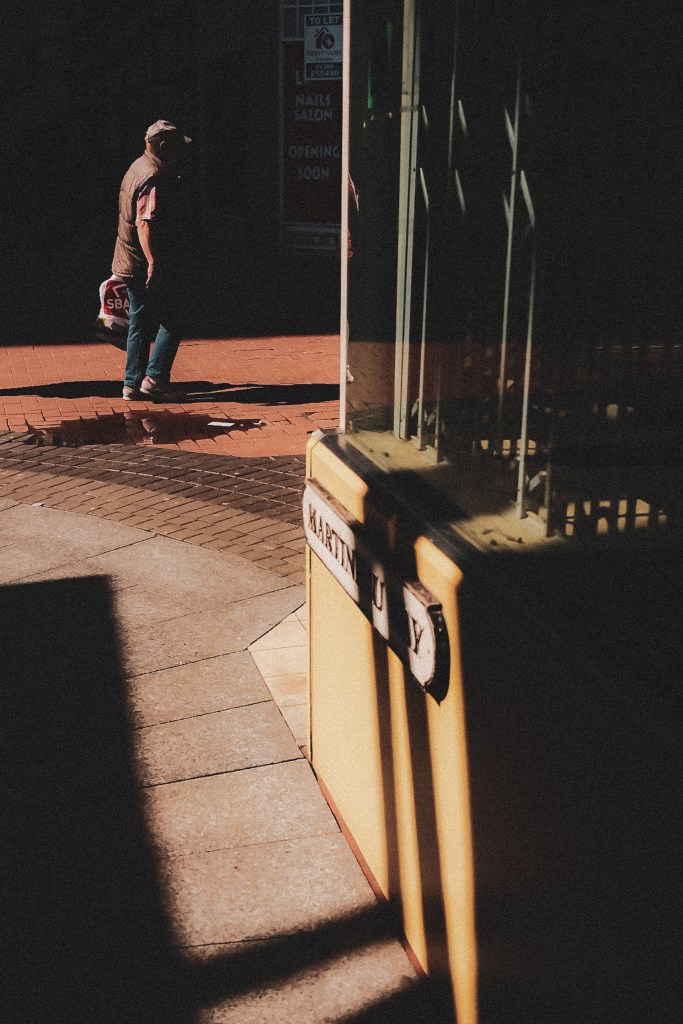
Making use of old analogue lenses on a modern camera offers a relatively cheap way to quickly build up your lens collection (especially if you’re poor or a cheapskate like me).
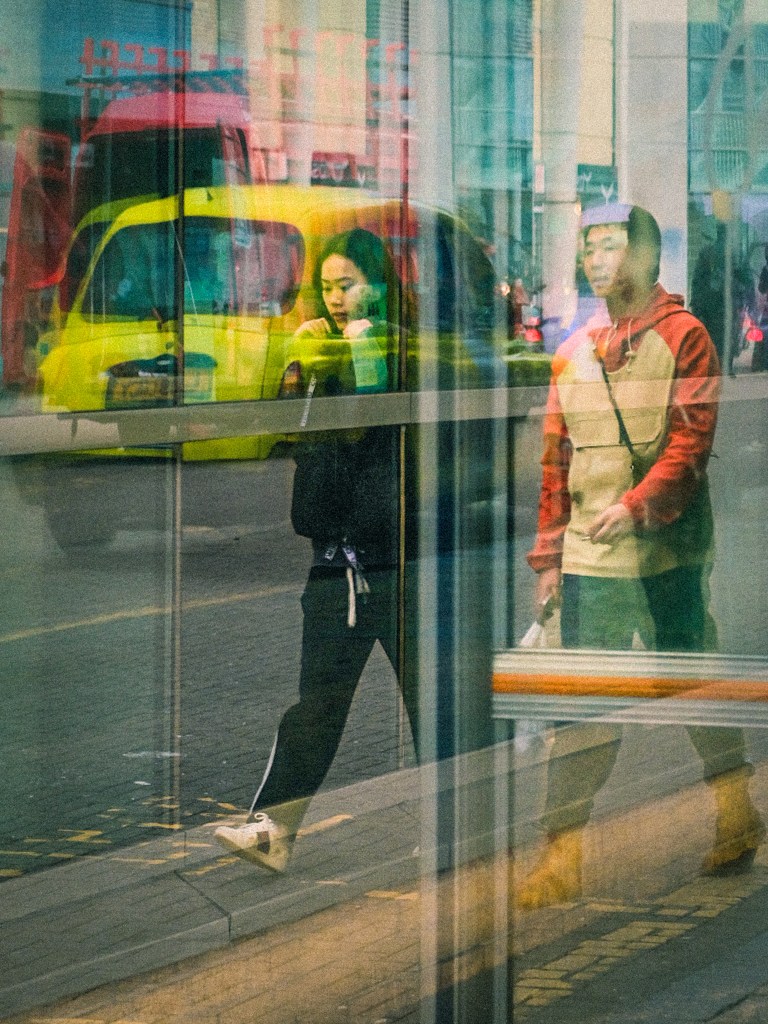
Vintage glass doesn’t necessarily mean that it’s bad glass, it just means that they’ve been around the block a bit and are probably a tad dusty under the hood.
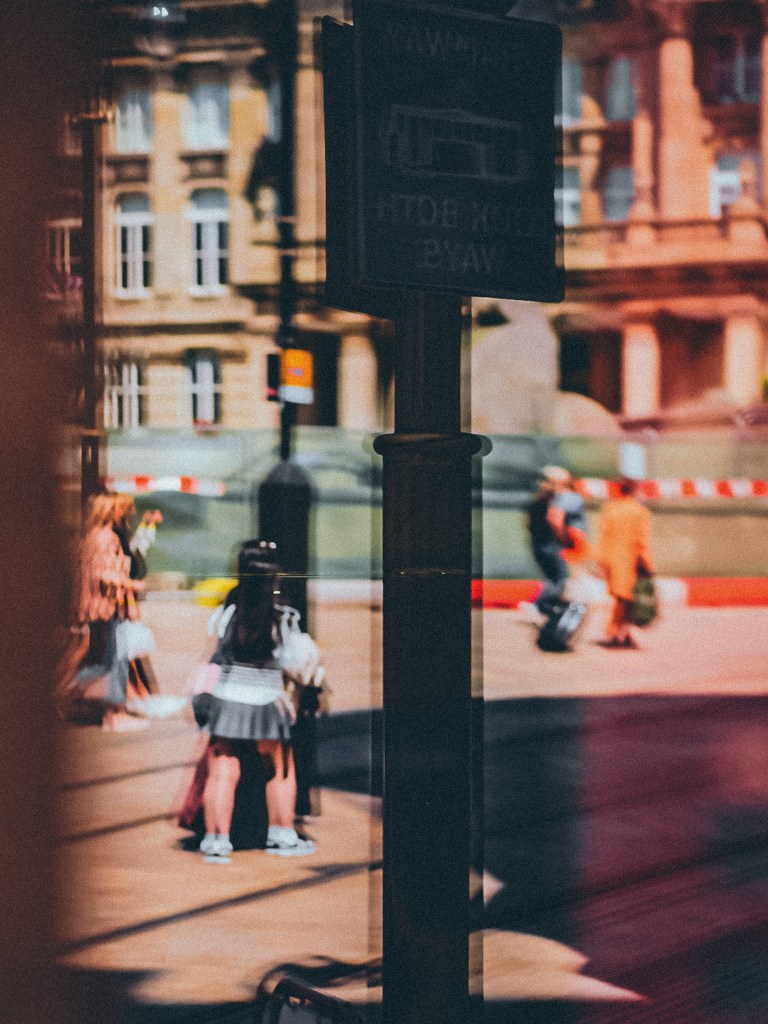
The big difference between modern and vintage glass is the lack of autofocus. But don’t let that minor deficiency put you off giving these old gals a whirl.
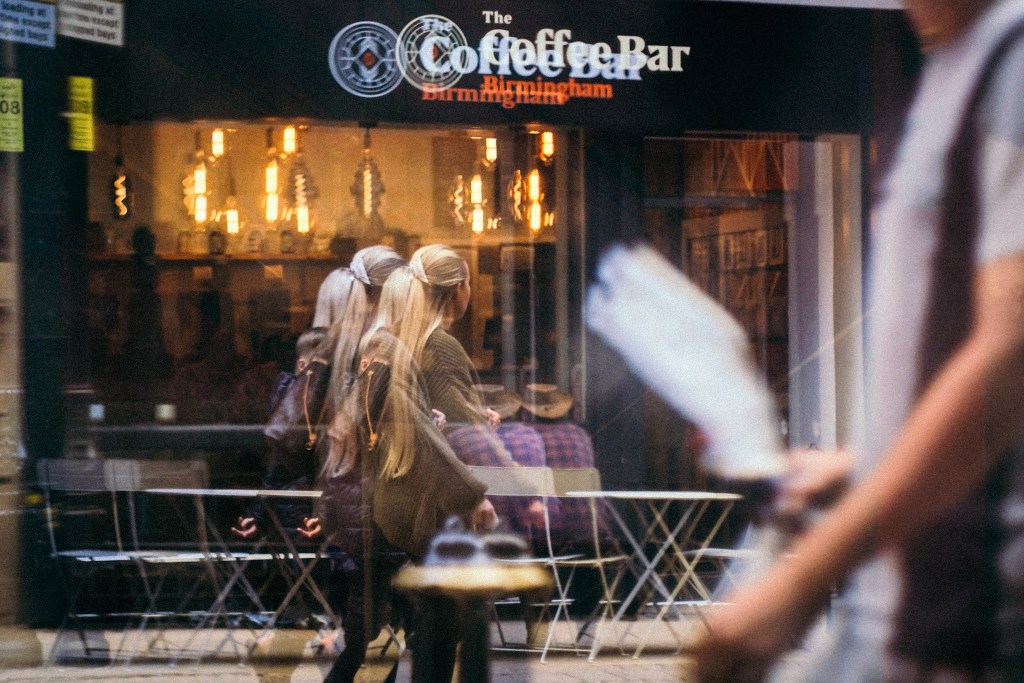
They’re frequently available for much cheapness, and what they lack in mod cons, they more than make up for with superb engineering and optically splendid glass. These are lenses that were good enough for the great and the good from the way back when, so they’re good enough for the likes of Me!
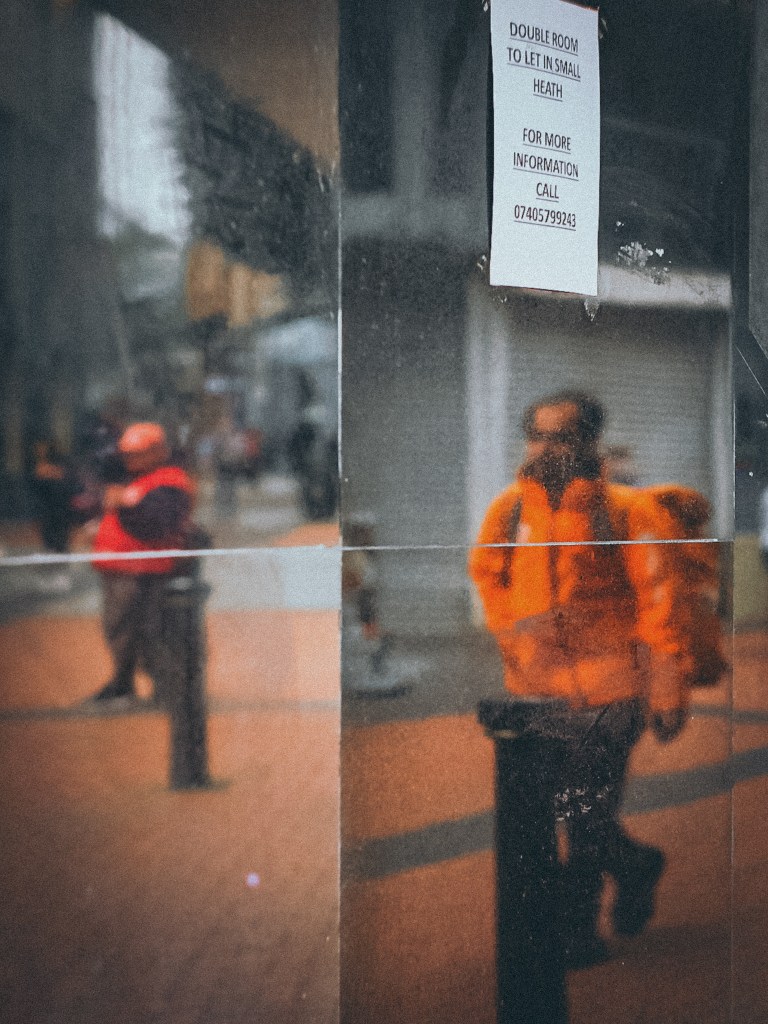
There’s something very satisfying and tactile about using old glass compared to their modern cousins. They’re completely manual and don’t have the requisite electronic bits and pieces to communicate with modern cameras.
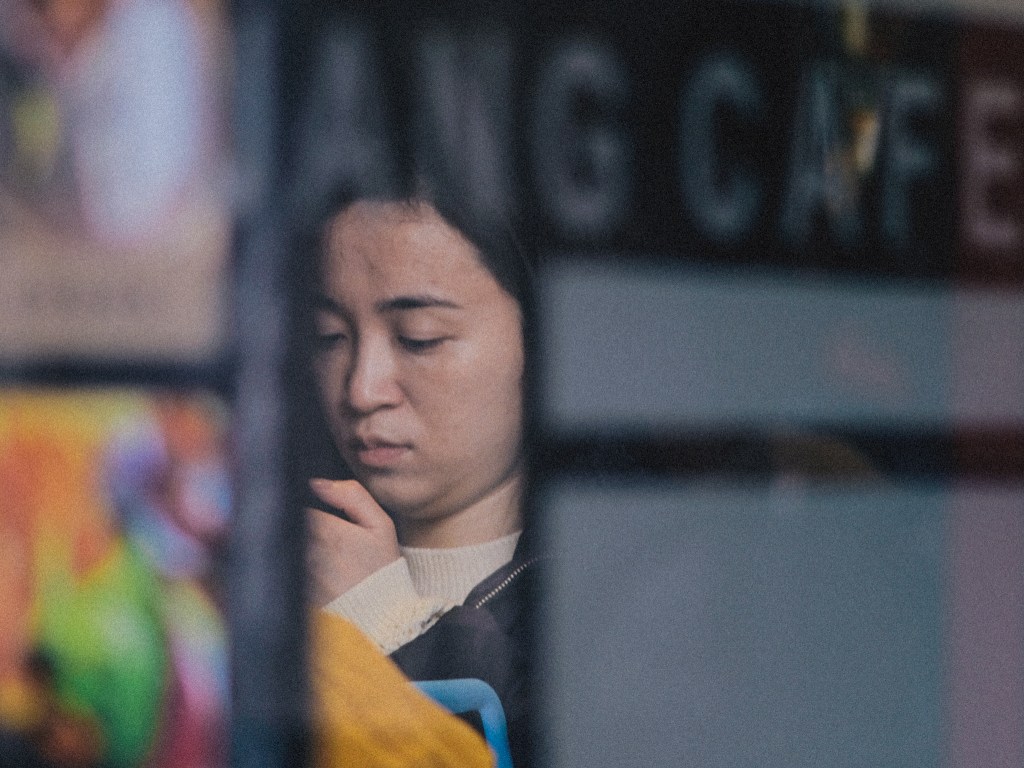
To attach these old lenses to your camera, you’ll need to purchase a suitable adapter that will allow you to attach it to your camera. Once attached, you need to set the camera to ‘Shoot without a Lens’ because the camera can’t electronically connect to or recognise that a lens has been attached.
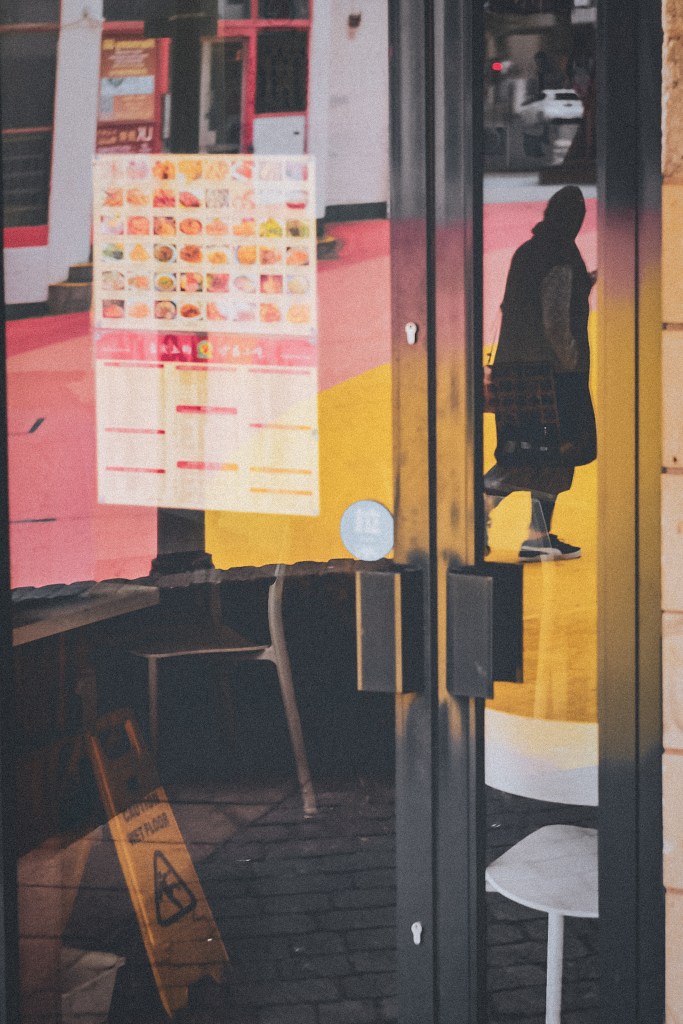
Because these lenses are manual focus only, shooting with them is a slower and more methodical experience. Rush a shot, and you’re bound to miss focus.
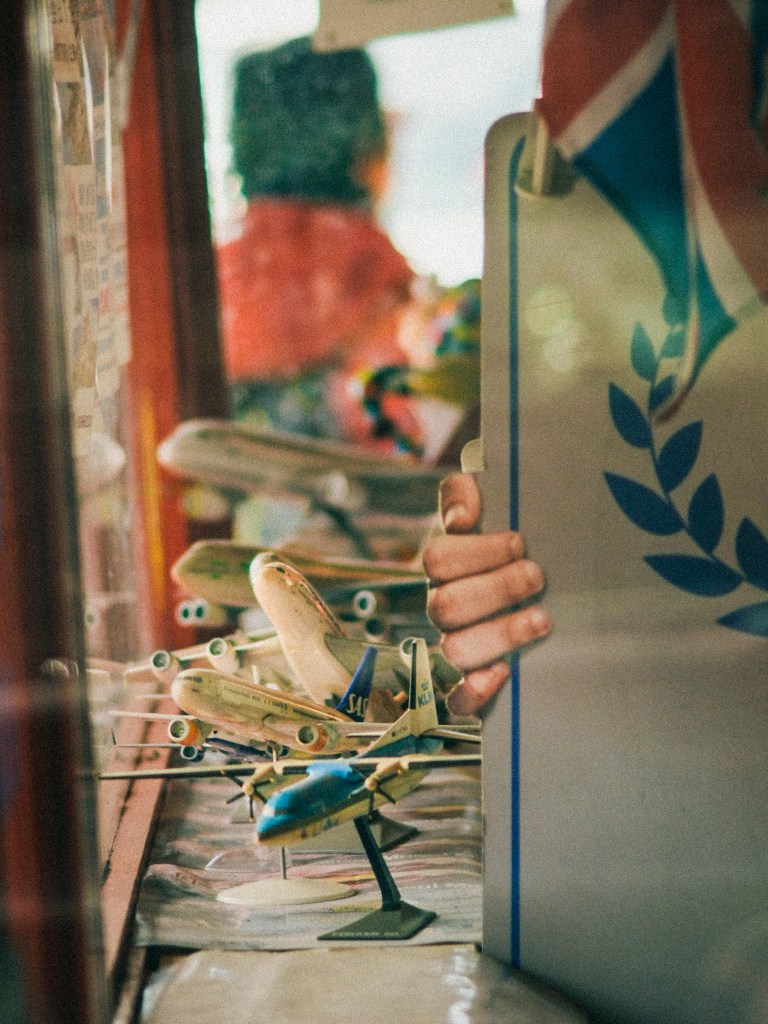
It can be darned annoying at first, grrrr-arrgghh! Take a breath, slow down, grip that focus ring, then watch as you magically bring things into focus.

It can be quite meditative getting to know the strengths and characteristics of these lenses, repeated use rewards a deeper understanding about what these old fogies are good at (and also, what they’re not so good at…).
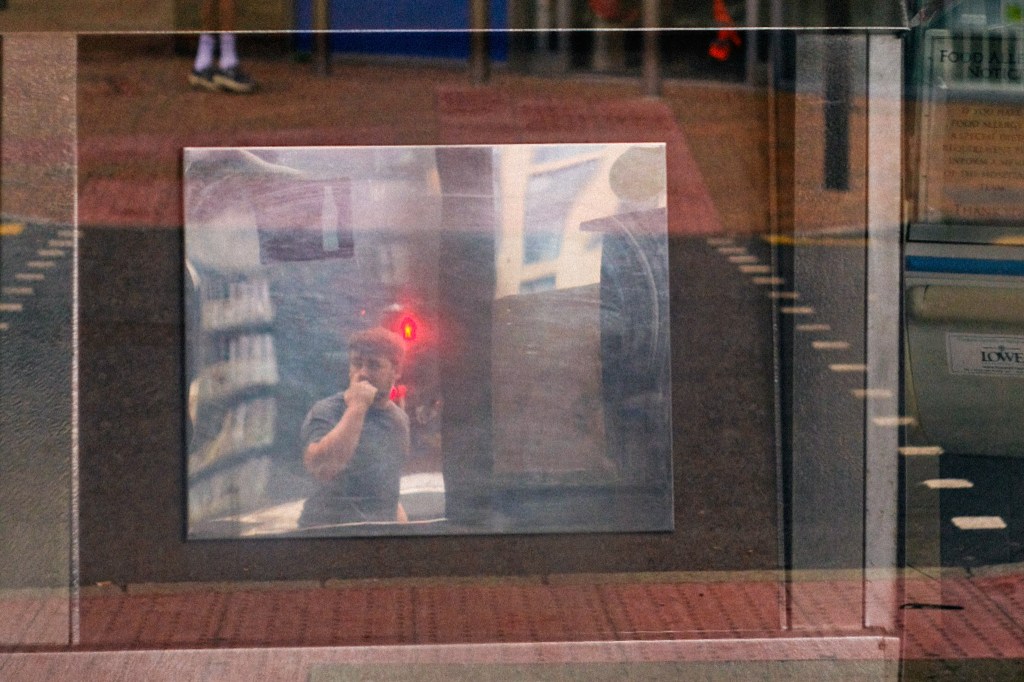
Ultimately, I’ve found images taken with vintage glass really key into that film vibe that so many photographers adore these days. Myself included 😀
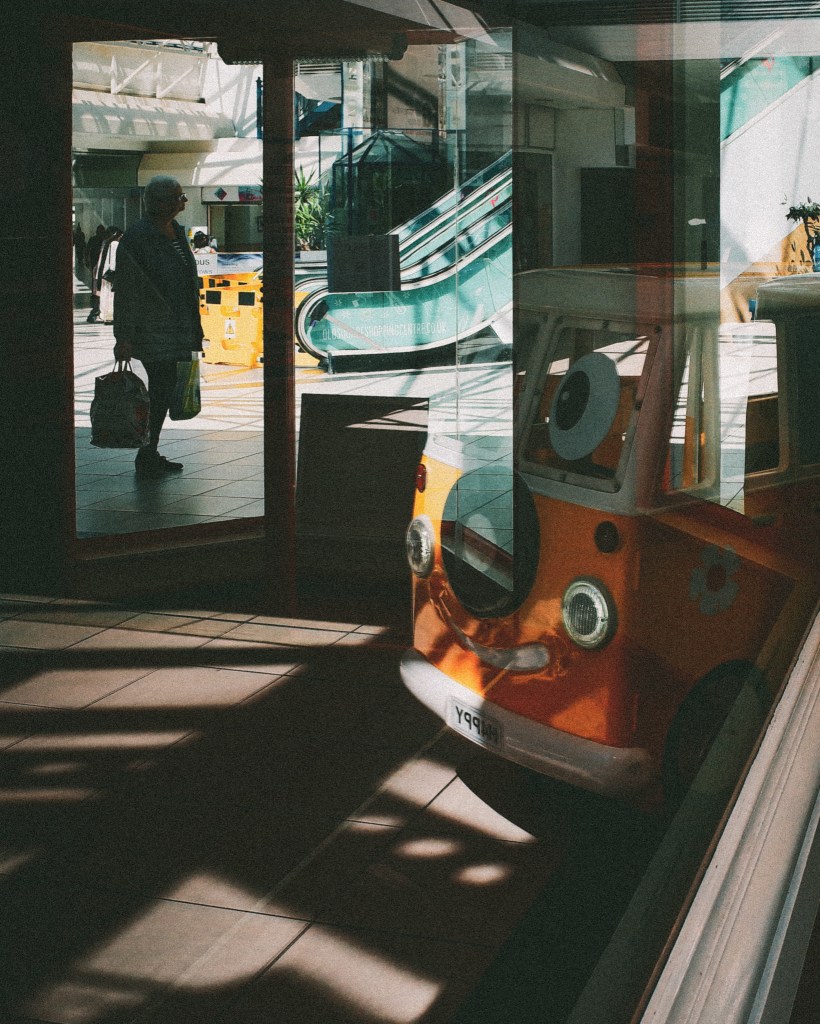
Images tend to be softer and contrast is reduced, so the overall look tends to favour faded, cooler tones. That said, colours often have lovely saturation. These lenses have character, and they’re incredibly fun to experiment with.
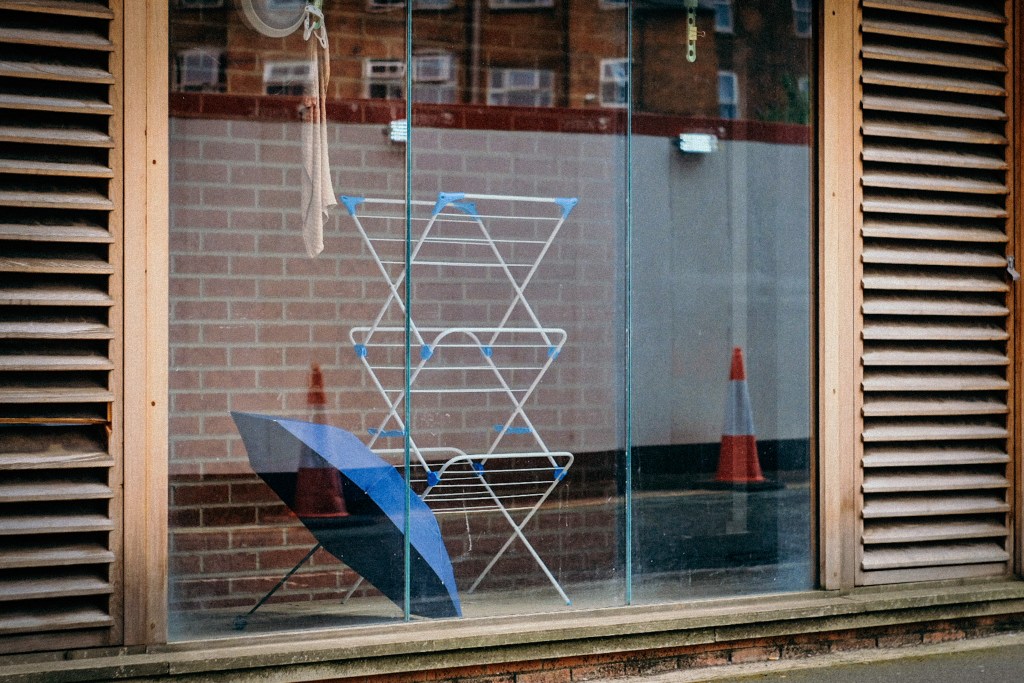
The photos in this gallery were taken with either a m42 mount Helios 44M 58mm f2 or a K mount Pentax SMC 135mm f3.5 lens. With the Fuji’s APSC crop factor this means that the Helios lens has an effective focal length of 85mm and the Pentax has an effective focal length close to 200mm.
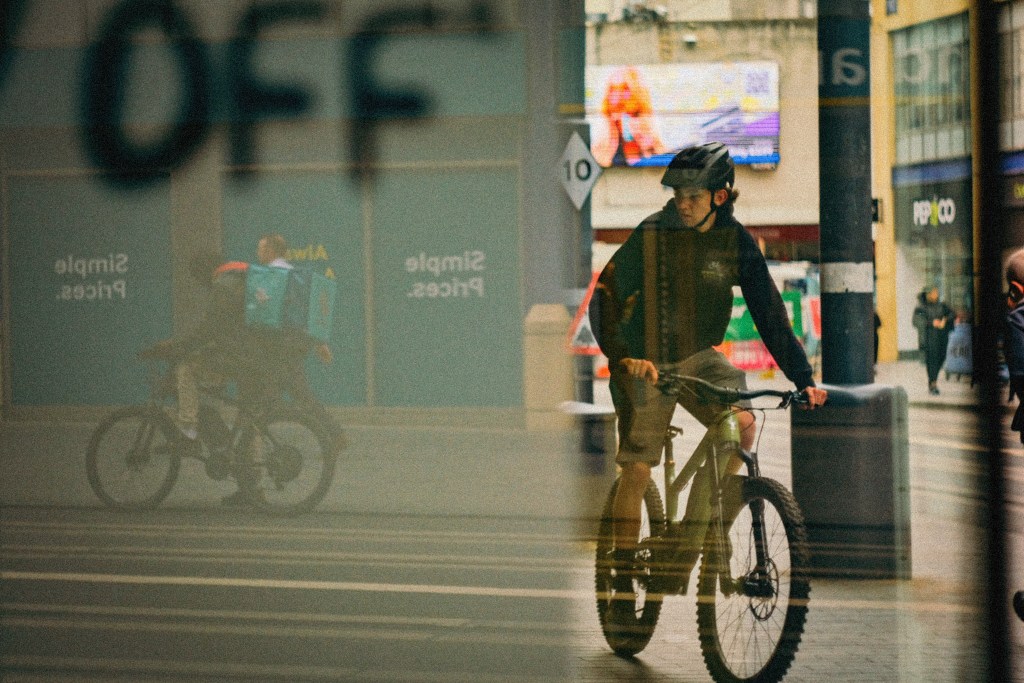
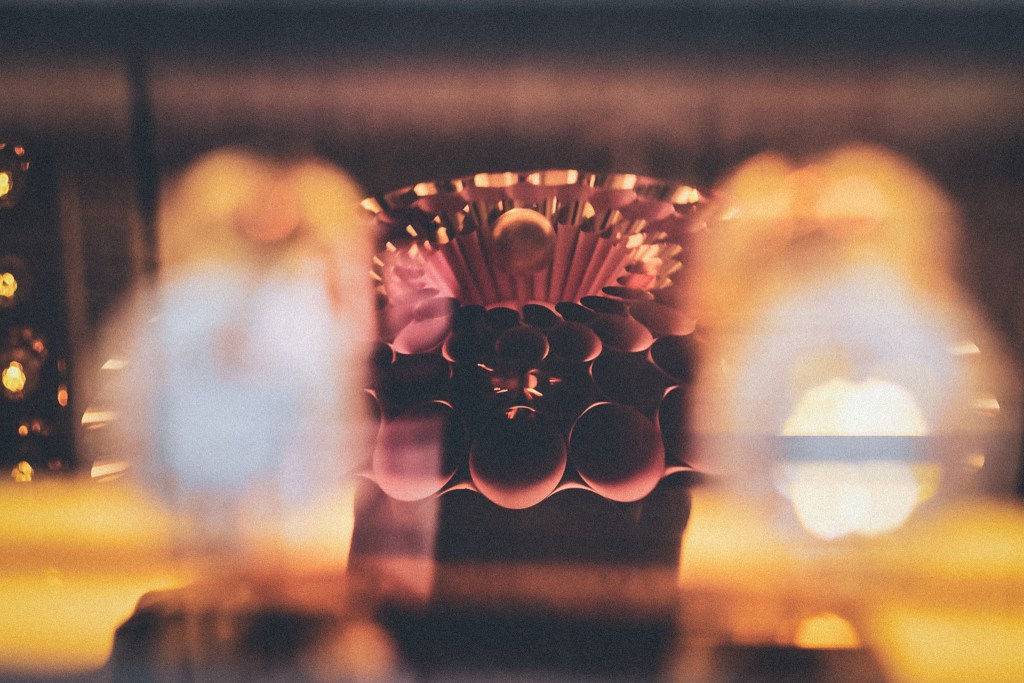
The Helios 44M, a Soviet made lens from the 1970s, has attained a level of fame and notoriety in photography circles for its ability to render gloriously swirly bokeh. It’s not a big lens, but it’s all metal and has a good bit of heft to it.
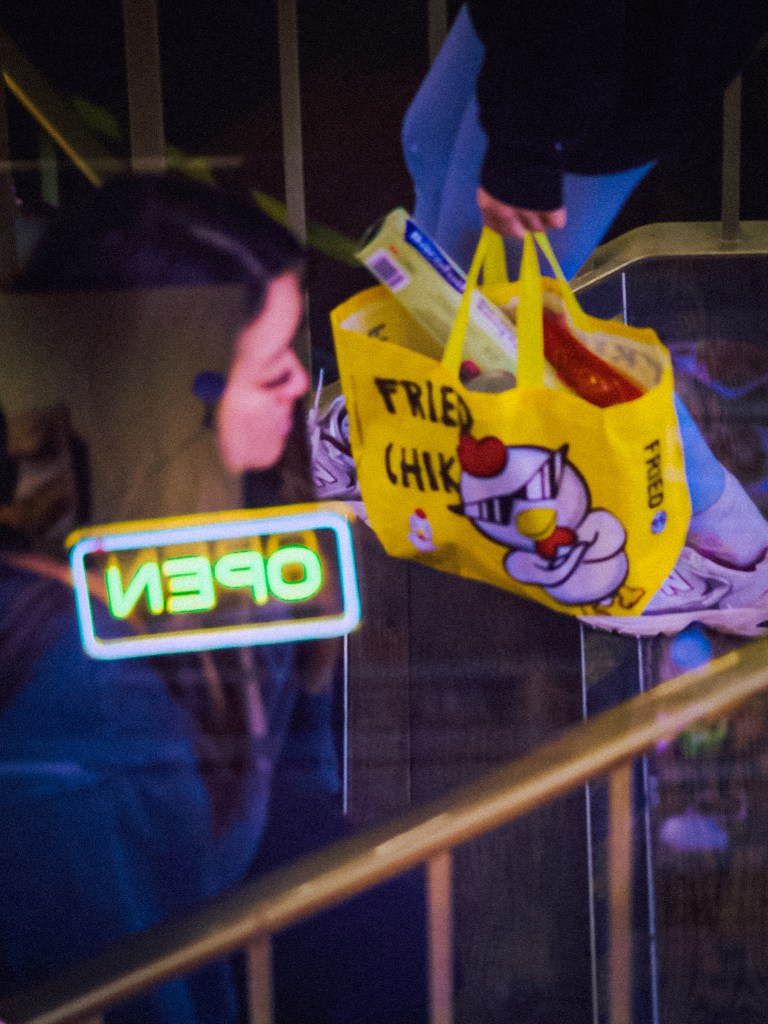
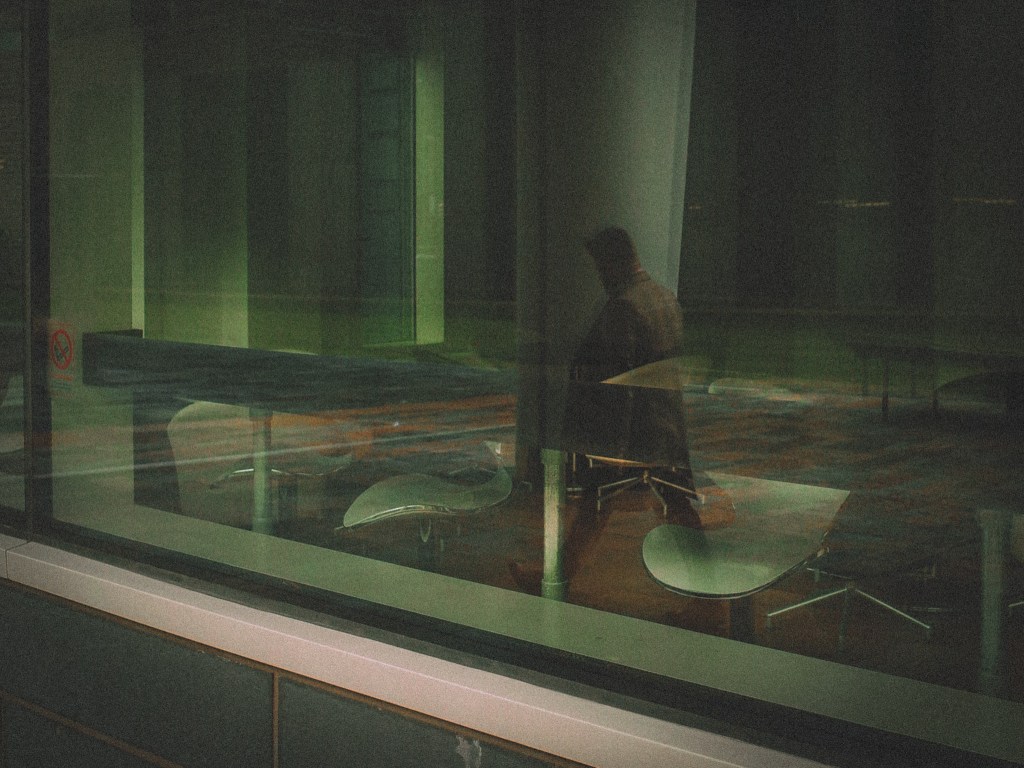
Focusing is slow and ponderous, and nailing focus at its widest aperture, f2, can be tricky but very rewarding. The 85mm equivalent focal length makes it a natural for portrait photography. Me, I love using it on the street, often shooting through glass at wide apertures.
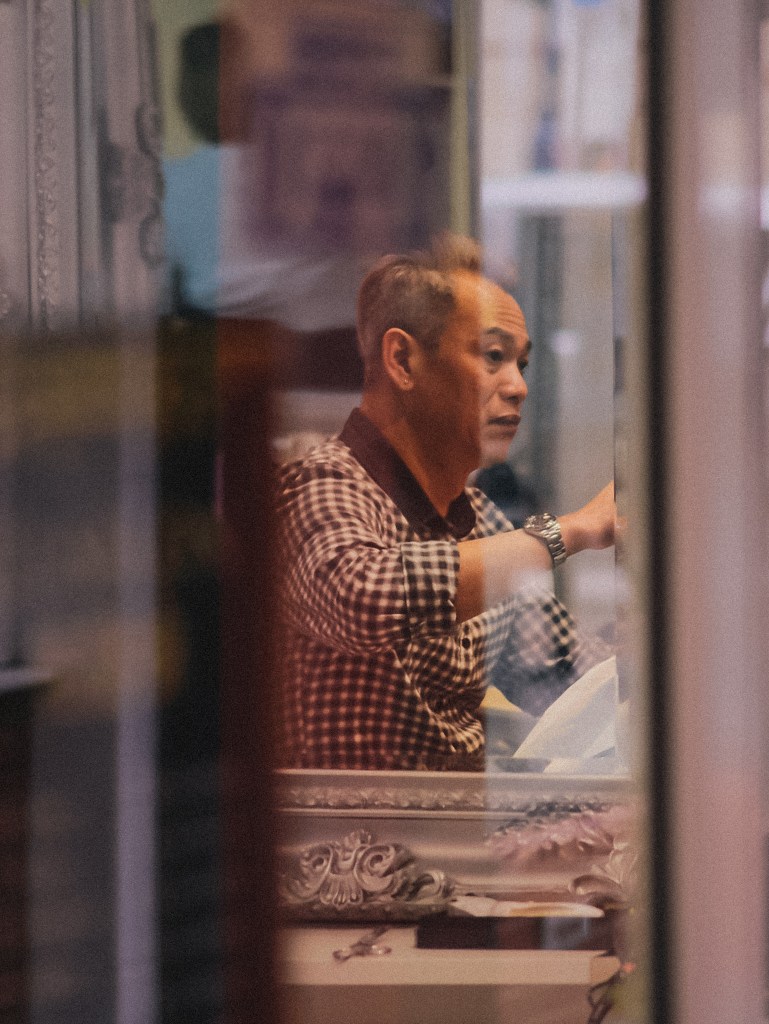
The resulting images often surprise me with the level of detail and complexity. I adore shooting through glass to create layers of light and colour.
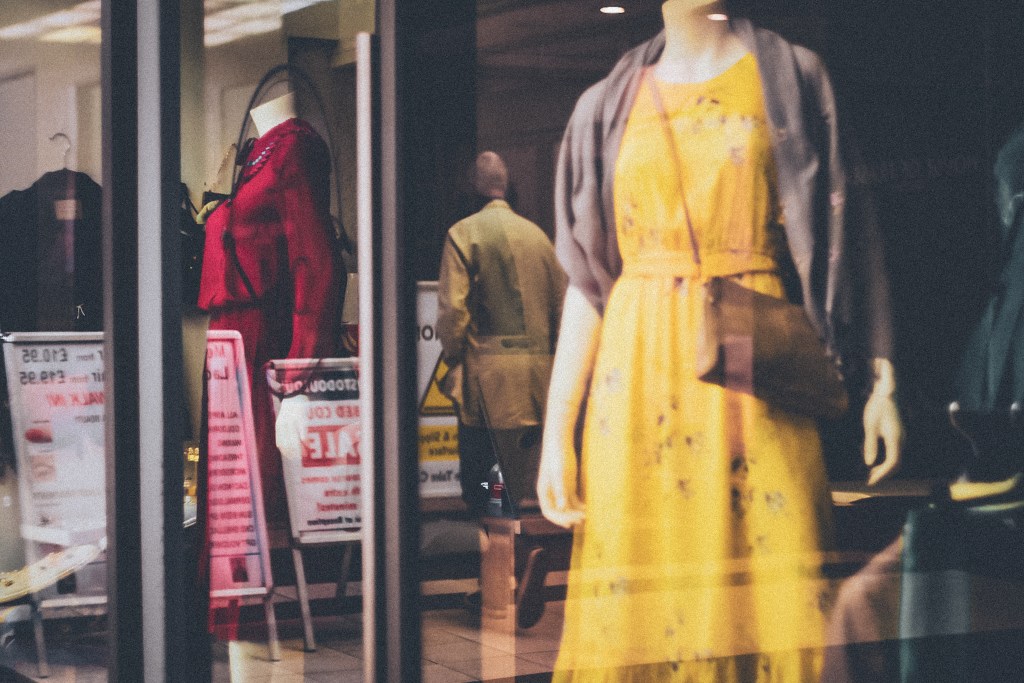
Focusing carefully with the Helios lens gives me time to see these layers whilst properly framing and focusing on my subject. It doesn’t always work out, but I dig the process nonetheless.
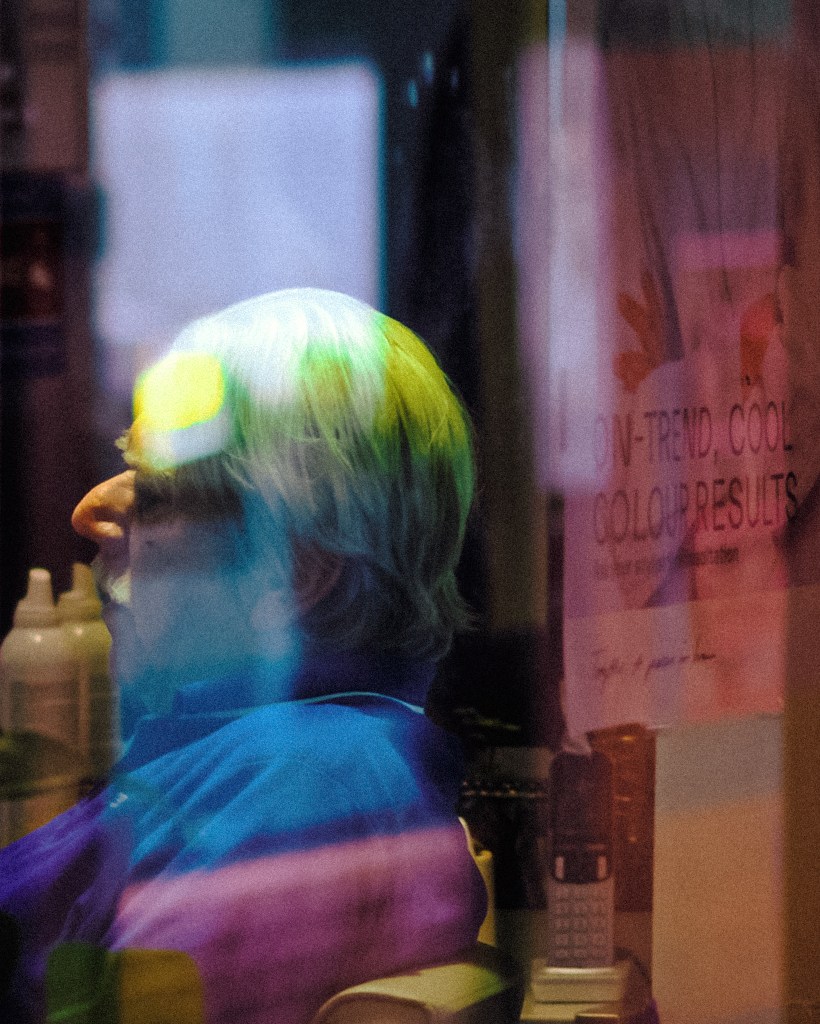

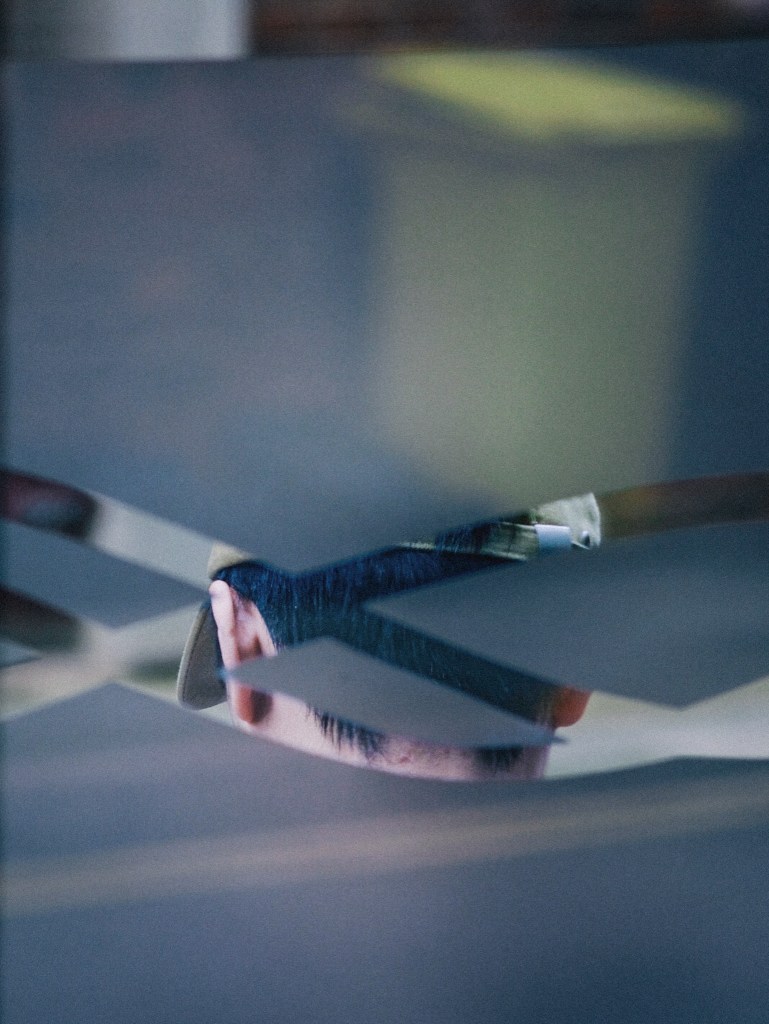
The Pentax 135mm lens is of a similar size and heft to the Helios, but it has a much longer equivalent focal length (200mm-ish). Shooting at such a long focal length without any in-built camera stabilisation means you have to take your time with the 135. Steady as she goes, Cap’n!
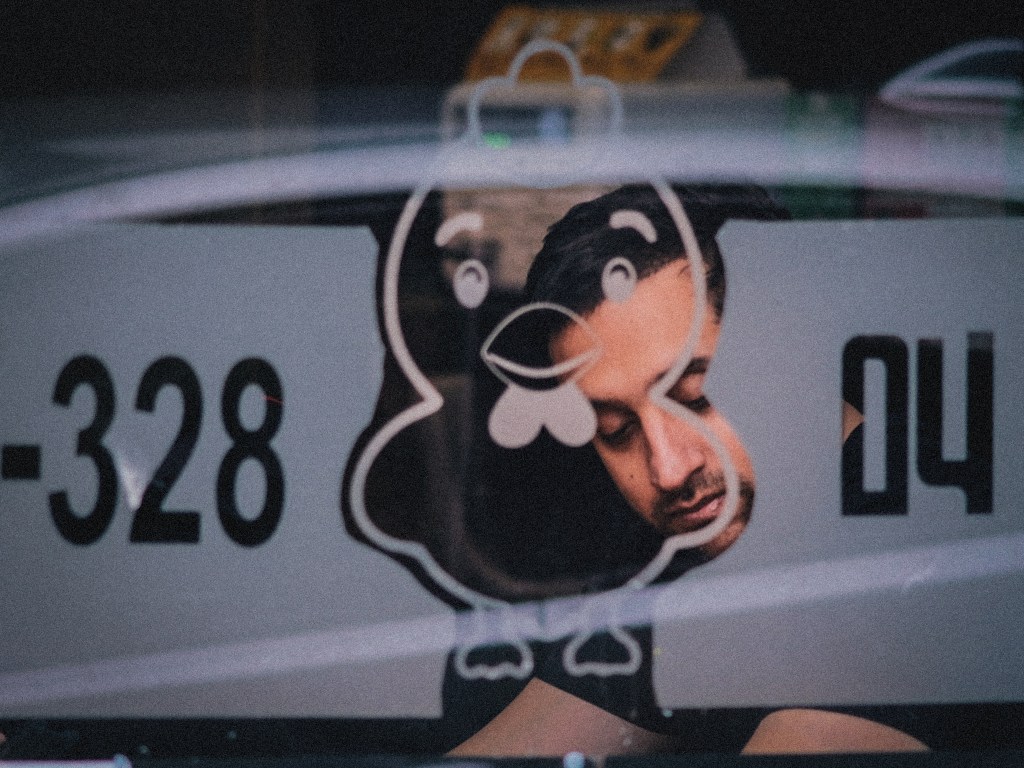
That said, this lens is a joy to focus, it’s 1980s precision engineering still holds true today. It’s a smooth ride, and the results are often surprisingly sharp, although the lens is prone to flaring, so avoid aiming it anywhere near the sun or at really bright light sources.
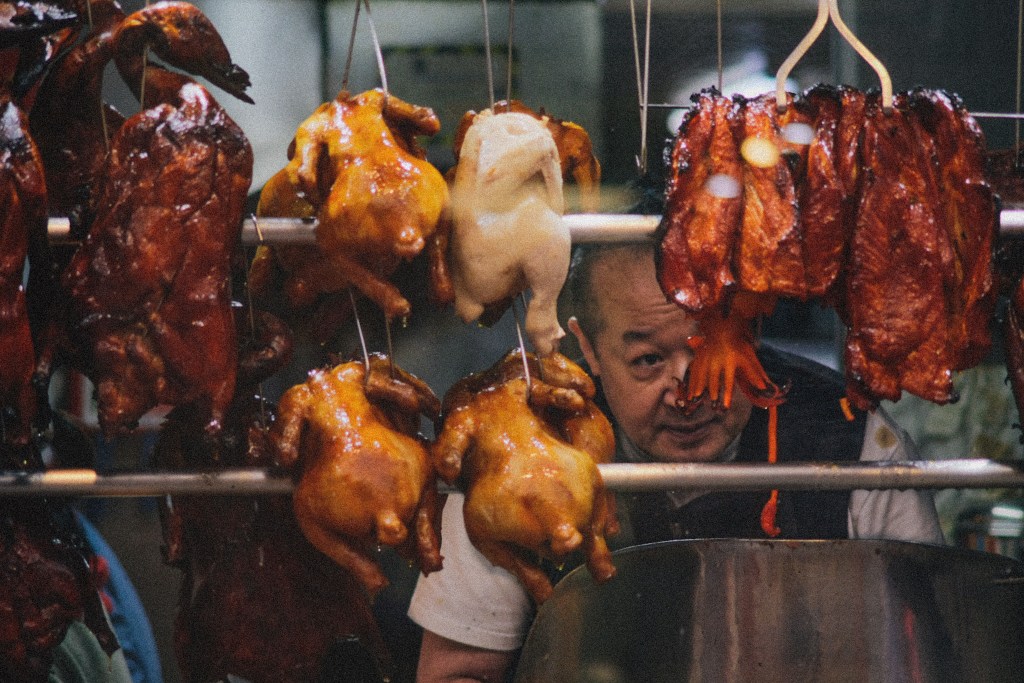
You’ll have doubtless noticed by now that most of my images have been shot looking through windows or making use of its reflective qualities. I’ve had heaps of fun experimenting with these lenses, playing with layers of light and creating ever more abstract compositions.
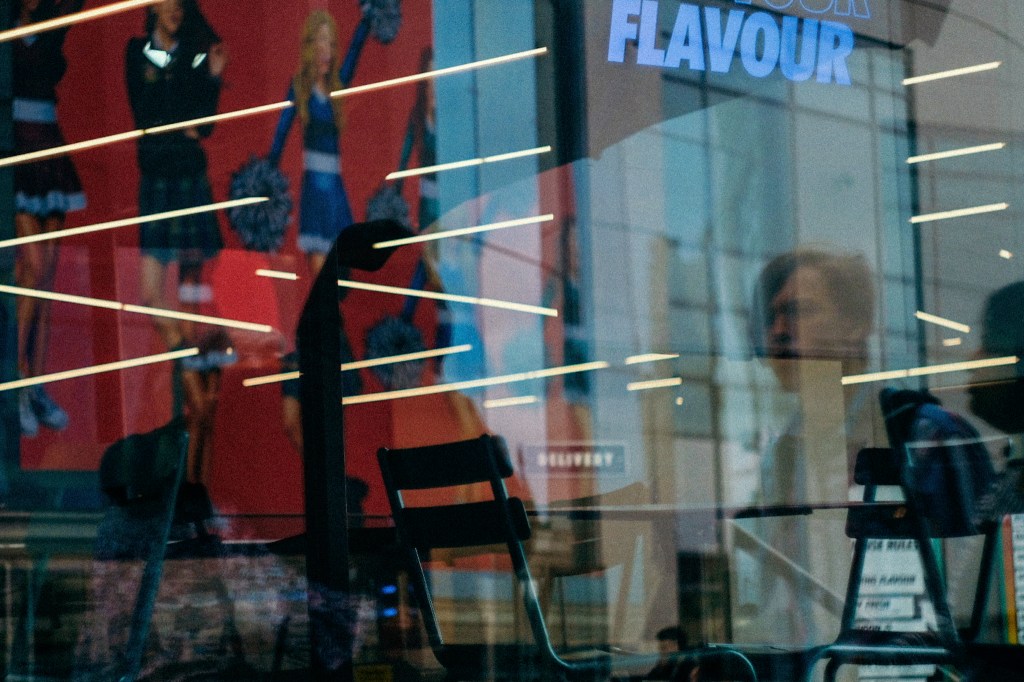
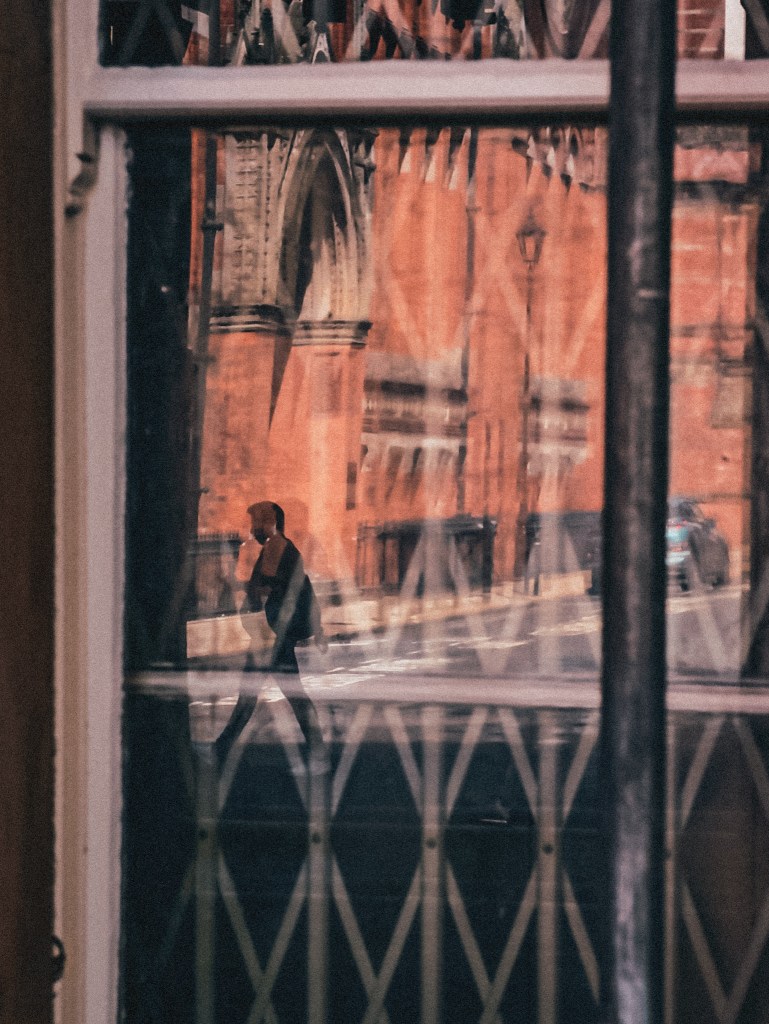
So, whilst I’ve been using lenses from a bygone era, my skill levels have (I feel) leapt forward light years. As a creatively minded chap, I’m incredibly attracted to making images that say more about feelings and sensation rather than being purely representational. Whether they’re successful at doing such high-minded things is another matter…. 😀
I hope you’ve enjoyed my little hymn of praise and thanksgiving to vintage glass. It’s dead nice sometimes to just be positive and talk about things I enjoy. The irony that these old lenses (of similar vintages to my own) have aged better than me is not lost on me! I hope that, if you’re a Tog like me, my love letter to vintage glass will inspire you to give an old Pentax nifty 50 or Canon FD breechlock a whirl! Happy Snapping! Jay
 Words & Pictures